Master's Programme Guide
MSc Civil Engineering in Germany for Indian Students
HOCHTIEF, DB Netz, and Bilfinger are rebuilding Germany's infrastructure. Here's how Indian civil engineers get in, at zero tuition.
Tuition varies by university and citizenshipfree at most public universities; non-EU fees apply in some states
On this page
Tuition
€0 at most public universities; KIT charges €1,500/sem for non-EU; Bauhaus-Universität Weimar and TU Braunschweig are fully tuition-free
Duration
2 years (4 semesters)
Language
IELTS 6.0–6.5 for English-medium options; B2/C1 German + TestDaF 16+/DSH-2 for German-medium tracks (RWTH, KIT, TU Berlin)
CGPA Range
6.5–8.5 / 10 (wider range than CS; Bauhaus-Weimar accessible at 6.5+; RWTH and KIT competitive at 7.5+)
IELTS
6.0–6.5 for English-medium tracks; German-medium programmes require TestDaF/DSH, not IELTS
Top 8 Public Universities for MSc Civil Engineering in Germany
Click any column header to sort. All listed universities are public. Tuition is free in most German states. Baden-Württemberg charges €1,500/semester for non-EU master's students. Bavaria has no single uniform rate: TUM charges €4,000–€6,000/semester for non-EU master's degrees; other Bavarian universities vary. Semester contributions cover student union, public transport ticket, and admin fees.
| Website | |||||
|---|---|---|---|---|---|
| TU Darmstadt | Darmstadt | €0 + ~€295 semester contribution | English/German | March 15 (Winter Semester) | Visit |
| TU Dresden | Dresden | €0 + ~€265 semester contribution | English/German | May 15 (Winter Semester) | Visit |
| Bauhaus-Universität Weimar | Weimar | €0 + ~€250 semester contribution | English | May 15 (Winter Semester) | Visit |
| RWTH Aachen | Aachen | €0 + ~€300 semester contribution | German (B2/C1 required) | May 15 (Winter Semester) | Visit |
| KIT – Karlsruhe Institute of Technology | Karlsruhe | €1,500/sem for non-EU + ~€170 semester contribution | German (B2/C1 required) | May 15 (Winter Semester) | Visit |
| TU Braunschweig (CSE track) | Braunschweig | €0 + ~€380 semester contribution | English | May 31 (Winter Semester) | Visit |
| RPTU Kaiserslautern | Kaiserslautern | €0 + ~€285 semester contribution | English/German | May 31 (Winter Semester) | Visit |
| TU Berlin | Berlin | €0 + ~€310 semester contribution | German/English | July 15 (Winter Semester) | Visit |
← Scroll horizontally to see all columns
Deadlines and semester contributions are approximate and subject to change, always verify on the official university website before applying.
Typical Eligibility for Indian Students
- 1Bachelor in Civil Engineering, Structural Engineering, Construction Management, or Geotechnical Engineering, 65%+ or 6.5/10 CGPA; Bauhaus-Weimar and RPTU accessible at 6.5+; RWTH and KIT competitive at 7.5+
- 2English-medium programmes (Bauhaus-Weimar, TU Braunschweig CSE, TU Darmstadt partially) require IELTS 6.0–6.5; German-medium programmes (RWTH, KIT, TU Berlin) require TestDaF 16+/DSH-2, start German language preparation 18 months before target intake
- 3The Deutschlandstipendium (€300/month, no national quota) is available at all major German universities, apply directly to the university in the first semester after enrolment. Budget separately for the blocked account (Sperrkonto): €11,904/year (€992/month) required for the German student visa.
- 4Software competency must be documented specifically: AutoCAD is baseline expectation; FEM software (RFEM, ANSYS, Abaqus) and BIM tools (Revit, Allplan) are genuine differentiators, describe specific project contexts, not just software names
- 5APS Certificate mandatory for all Indian applicants; civil engineering APS requires full 4-year B.Tech transcripts; applicants from 3-year B.Sc Civil programmes may require a supplementary eligibility review
Career & Salary After Graduation
Average Starting Salary
€42,000–€58,000 / year (entry-level, Germany)
Top Recruiters
HOCHTIEFSTRABAGBilfingerEd. ZüblinDB NetzArup GermanyArcadis GermanyWSP GermanyZech GroupCDM Smith
Job Seeker Visa
18-month job seeker visa (§20 AufenthG); Germany's federal infrastructure investment programme (BVWP 2030: €457bn) and chronic housing shortage create sustained demand for structural and geotechnical engineers through 2035
Why MSc Civil Engineering?
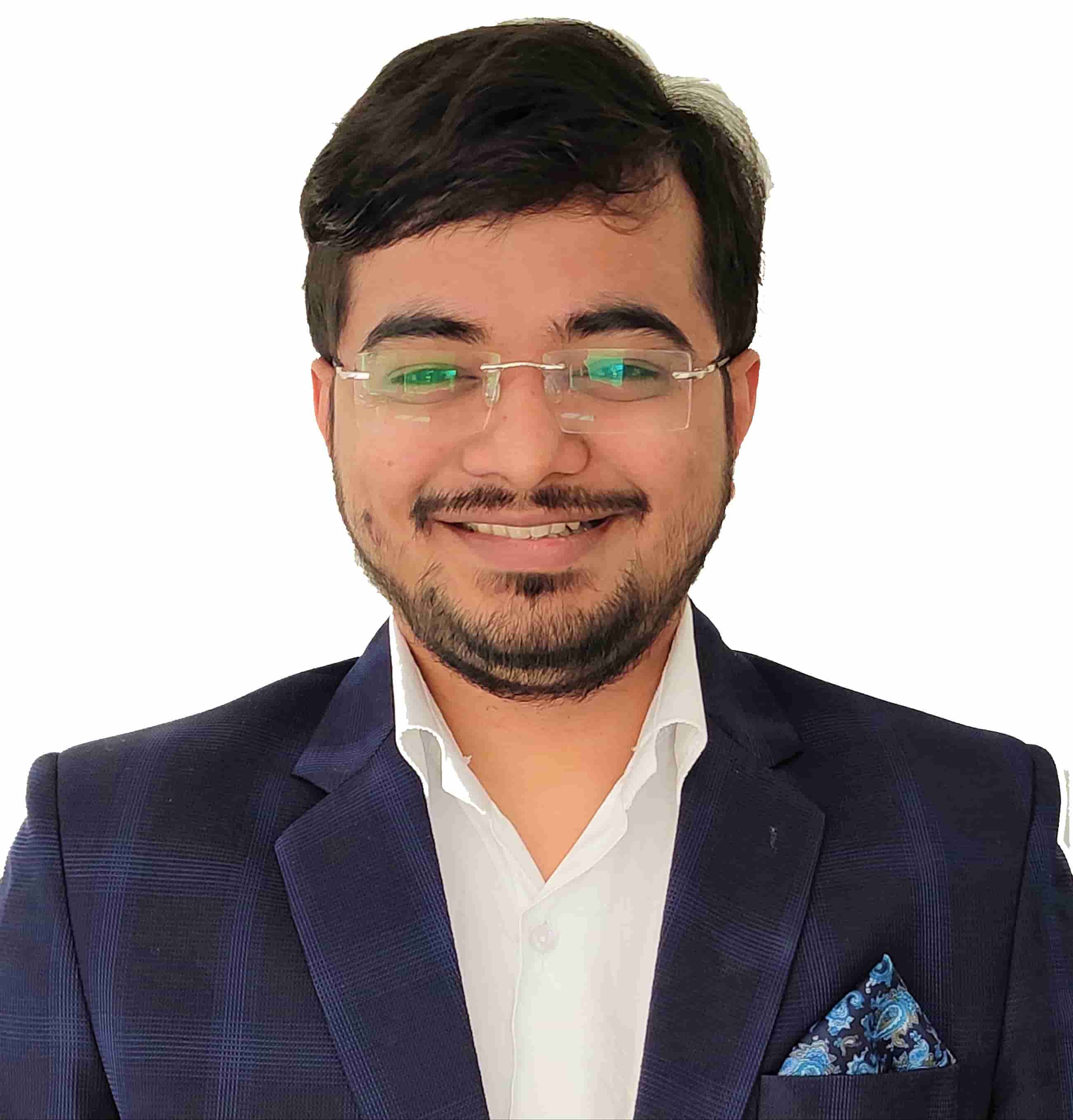
Ankit Jaiswal
Founder, Think Mile · guided 500+ Indian students
Germany's civil engineering market is not driven by speculation. It is driven by government commitment. The Bundesverkehrswegeplan 2030 commits €457bn to road, rail, and waterway infrastructure. Deutsche Bahn's €37bn rail expansion programme is hiring structural and geotechnical engineers directly from TU Dresden, TU Braunschweig, and TU Darmstadt. Germany also has a housing shortage that will not close without engineering graduates: the federal government has committed to 400,000 new units per year, and the construction sector is reporting the largest skilled-worker gap in a decade. HOCHTIEF and STRABAG, two of the three largest construction companies in the world by revenue, are headquartered in Germany and recruit heavily from the universities in this guide. A structural engineer who understands FEM analysis and German procurement processes is a direct hiring match for these companies. That specificity is what makes a German civil engineering MSc worth more than a generic master's abroad.
Bauhaus-Universität Weimar is the most consistently underrated university in this guide. It is English-medium, tuition-free, and located in one of the cheapest student cities in Germany. Its structural engineering research groups: material fatigue, polymer composites, structural health monitoring, are internationally cited and well-connected to Thüringen construction industry. The reason most Indian applicants overlook Weimar is brand anxiety: RWTH and KIT have better name recognition, and applicants assume name recognition equals placement. The employment data does not support this assumption for civil engineering. A Weimar graduate with a thesis at a local engineering firm and B1 German is more employable in Germany than a KIT dropout who couldn't pass the German-medium curriculum. Weimar and TU Braunschweig's Computational Sciences in Engineering track are the English-medium strategy. They are not consolation prizes.
The SOP mistake I see most often in civil engineering applications is the India infrastructure opening. Ninety percent of Indian civil SOPs begin with a paragraph about India's highway km, housing demand numbers, or Smart Cities Mission. German professors do not find this relevant to their research groups. What they want to see is a specific structural or geotechnical problem the applicant encountered on an actual project: a foundation failure mode observed at an L&T or Tata Projects site, a drainage constraint that required a design change, a load calculation that didn't match site conditions. That kind of observation, framed as a technical problem, not a career aspiration, tells a professor that the applicant can think like an engineer. A site engineer who describes a specific reinforcement detailing issue they resolved at a real construction site will get further than a topper who writes about India's infrastructure ambition.
Common Mistakes Indian Applicants Make
Applying only to RWTH and KIT without a German B2 certificate, both programmes are primarily German-medium; applicants who discover this at application time have no English-medium safety tier and miss the intake entirely; Bauhaus-Weimar and TU Braunschweig CSE are the English-medium back-up strategy
Ignoring Bauhaus-Universität Weimar and TU Braunschweig's Computational Sciences in Engineering track: both are English-medium, tuition-free, and have industry placement outcomes that compare favourably to higher-ranked German-medium programmes
Listing software skills as a CV header row, 'AutoCAD, RFEM, Revit' carries no weight; a sentence describing which structural analysis problem was modelled, with which boundary conditions and what output, turns a skills claim into a credentialed demonstration
A Student Who Did It
R
“The mentorship I received helped me secure an internship at a German automotive company during my studies. Think Mile’s career guidance was as valuable as their admission support!”
Ritesh Gupta·Ravensburg-Weingarten University·MS Embedded System
Automotive Internship During Studies
Read Next
Applying for this programme?
Book a free call, I've placed students in exactly this field.
I review profiles, help you shortlist the right 5–6 universities for your specific CGPA and background, and personally guide your SOP to avoid the mistakes I've seen reject hundreds of applications. No sales pitch, one honest conversation about your chances.