Master's Programme Guide
MSc Chemical Engineering in Germany for Indian Students
BASF's largest research campus is in Ludwigshafen. Here's how Indian chemical engineers join Europe's most important chemicals cluster, mostly for free.
Tuition varies by university and citizenshipfree at most public universities; non-EU fees apply in some states
On this page
Tuition
€0 at most universities; Stuttgart charges €1,500/sem for non-EU; TUHH and TU Dortmund are tuition-free
Duration
2 years (4 semesters)
Language
B2/C1 German + TestDaF 16+ for most programmes; TUHH Hamburg is the primary English-medium route; TU Darmstadt has English-medium modules
CGPA Range
6.5–8.5 / 10; RWTH and TU Dortmund competitive at 7.5+; TUHH accessible at 6.5+ with strong simulation skills
IELTS
6.5 for TUHH (English-medium); German-medium programmes require TestDaF 16+/DSH-2, not IELTS
Top 8 Public Universities for MSc Chemical Engineering in Germany
Click any column header to sort. All listed universities are public. Tuition is free in most German states. Baden-Württemberg charges €1,500/semester for non-EU master's students. Bavaria has no single uniform rate: TUM charges €4,000–€6,000/semester for non-EU master's degrees; other Bavarian universities vary. Semester contributions cover student union, public transport ticket, and admin fees.
| Website | |||||
|---|---|---|---|---|---|
| TU Darmstadt, MSc Chemical and Process Engineering | Darmstadt | €0 + ~€295 semester contribution | English/German | March 15 (Winter Semester) | Visit |
| RWTH Aachen, MSc Chemical Engineering | Aachen | €0 + ~€300 semester contribution | English/German | May 15 (Winter Semester) | Visit |
| FAU Erlangen-Nürnberg, MSc Chemical Engineering | Erlangen | €0 + ~€120 semester contribution | German/English | May 15 (Winter Semester) | Visit |
| TUHH, MSc Chemical and Bioprocess Engineering | Hamburg | €0 + ~€340 semester contribution | English | May 31 (Winter Semester) | Visit |
| TU Dortmund, MSc Chemical Engineering | Dortmund | €0 + ~€330 semester contribution | German (primary) | May 31 (Winter Semester) | Visit |
| Hochschule Mannheim, MSc Process Engineering | Mannheim | €1,500/sem for non-EU + ~€170 semester contribution | German/English | June 30 (Winter Semester) | Visit |
| TU Berlin, MSc Process Engineering | Berlin | €0 + ~€310 semester contribution | German/English | July 15 (Winter Semester) | Visit |
| University of Stuttgart, MSc Chemical Engineering | Stuttgart | €1,500/sem for non-EU + ~€190 semester contribution | German (primary) | July 15 (Winter Semester) | Visit |
← Scroll horizontally to see all columns
Deadlines and semester contributions are approximate and subject to change, always verify on the official university website before applying.
Typical Eligibility for Indian Students
- 1Bachelor in Chemical Engineering, Chemistry, Process Engineering, Biochemical Engineering, or Petroleum Engineering, 65%+ or 6.5/10 CGPA; RWTH and TU Dortmund competitive at 7.5+; TUHH accessible at 6.5+ with strong simulation skills
- 2Process simulation software (Aspen HYSYS, Aspen Plus, MATLAB, gPROMS) is a meaningful differentiator: describe specific simulation projects in the SOP with problem, inputs, and outcome; listing software names without context is the weakest possible use of a genuine credential
- 3TUHH requires IELTS 6.5+ as the primary English-medium option; all other competitive programmes (RWTH, TU Dortmund, Stuttgart, FAU) require TestDaF 16+/DSH-2. This is the most important eligibility reality for Indian ChemE applicants; start German no later than 20 months before target intake
- 4The Deutschlandstipendium (€300/month, no national quota) is available at all major German universities, apply directly to the university in the first semester after enrolment. Budget separately for the blocked account (Sperrkonto): €11,904/year (€992/month) required for the German student visa.
- 5APS Certificate mandatory; chemical engineering APS is generally straightforward; applicants from petroleum engineering or polymer engineering backgrounds should confirm their subject category before submitting APS documentation
Career & Salary After Graduation
Average Starting Salary
€45,000–€62,000 / year (entry-level, Germany); specialty chemicals and pharma roles at the higher end
Top Recruiters
BASFEvonikBayerCovestroLANXESSWacker ChemieLinde (process engineering)ClariantMerck KGaAAir Liquide Germany
Job Seeker Visa
18-month job seeker visa (§20 AufenthG); chemical engineers with German language skills and Aspen/HYSYS competency convert to offers fastest; BASF Ludwigshafen and Evonik Essen are within commuting distance from TU Dortmund, RWTH Aachen, and TU Darmstadt
Why MSc Chemical Engineering?
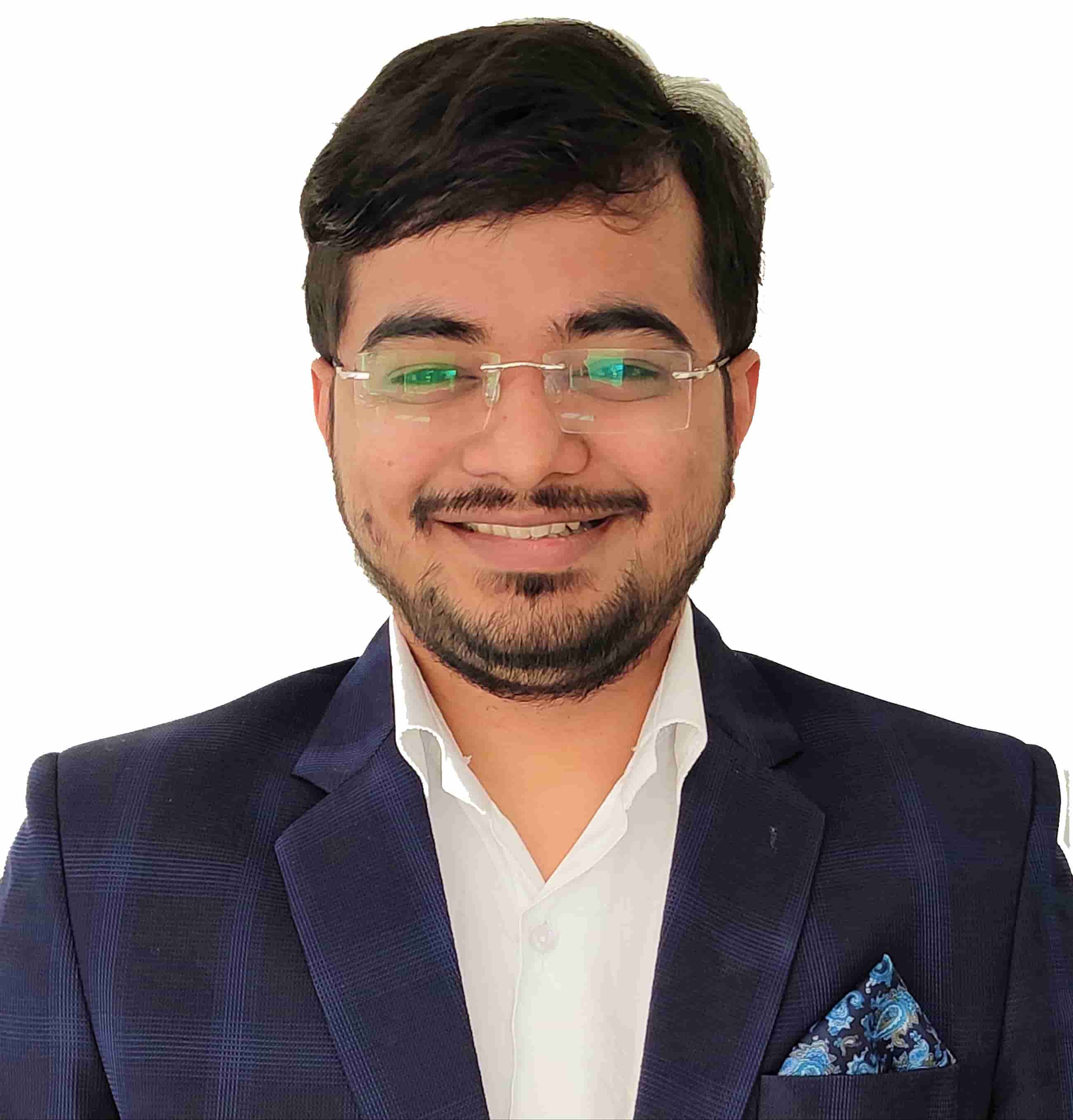
Ankit Jaiswal
Founder, Think Mile · guided 500+ Indian students
The most consequential information gap in this field is a naming problem. Search for English-medium 'Chemical Engineering' programmes on DAAD and you get roughly 8 results. Search for 'Verfahrenstechnik', the German term for process engineering, which is how most relevant programmes are categorised, and the list expands to over 40. Indian applicants who search only in English miss TU Dortmund, FAU Erlangen, Stuttgart, TU Kaiserslautern, and half a dozen other programmes that are strong, relevant, and in several cases accessible with a 6.5 CGPA. This is not a minor gap in awareness. It is the structural reason Indian ChemE applicants have a disproportionately high shortlist rejection rate. They are applying to the same 8 English-labelled programmes with heavy competition while the majority of the relevant German seat inventory goes uncontested.
BASF runs a formal mentoring programme that recruits specifically from master's students at TU Dortmund, RWTH Aachen, and TU Kaiserslautern. Evonik runs an equivalent programme from TU Darmstadt. These are not marketing relationships. They are structured recruitment pipelines where thesis co-supervision by BASF or Evonik researchers is the mechanism. An Indian student who completes a thesis at BASF under co-supervision has effectively cleared the primary hiring hurdle before submitting a single job application. This route is established through faculty connections and is almost never mentioned on programme websites. You learn about it from alumni and from professors during office hours. Both BASF Ludwigshafen and Evonik Essen are within commuting distance from TU Dortmund, RWTH Aachen, and TU Darmstadt, which matters for thesis placements that require regular site visits.
The B2 German reality needs to be stated plainly before you build your shortlist. If you want to study at the best programmes: TU Dortmund, RWTH, Stuttgart, FAU. You need B2 German before arrival. These programmes teach in German. The lecture slides are in German. The problem sets are in German. The exams are in German. Applicants who arrive without B2 German because they planned to 'pick it up once there' have a genuinely difficult first year and a high dropout rate. TUHH Hamburg is the viable English-medium exception: strong programme, tuition-free, in one of the best cities for international students in Germany, but it is one programme, not a substitute for a strategy. If your target is RWTH or TU Dortmund, start Goethe Institut B1 classes no later than 20 months before your target intake. That is the practical timeline.
Common Mistakes Indian Applicants Make
Searching only for 'Chemical Engineering' in English on DAAD, the majority of relevant German programmes are categorised as 'Verfahrenstechnik' (process engineering) and appear separately; missing this naming gap means missing TU Dortmund, FAU, and Stuttgart entirely
Arriving without B2 German, most competitive programmes teach in German; applicants who plan to 'pick up German once in Germany' are not prepared for a curriculum that starts in German in week one; TUHH is the viable English-medium exception but it is one programme, not a substitute strategy
Describing process simulation as a software name in the CV, 'Aspen HYSYS, gPROMS, MATLAB' with no project context is the weakest use of a genuine differentiator; one sentence specifying the column design, feed composition, and optimisation objective modelled is a credentialed skill claim
A Student Who Did It
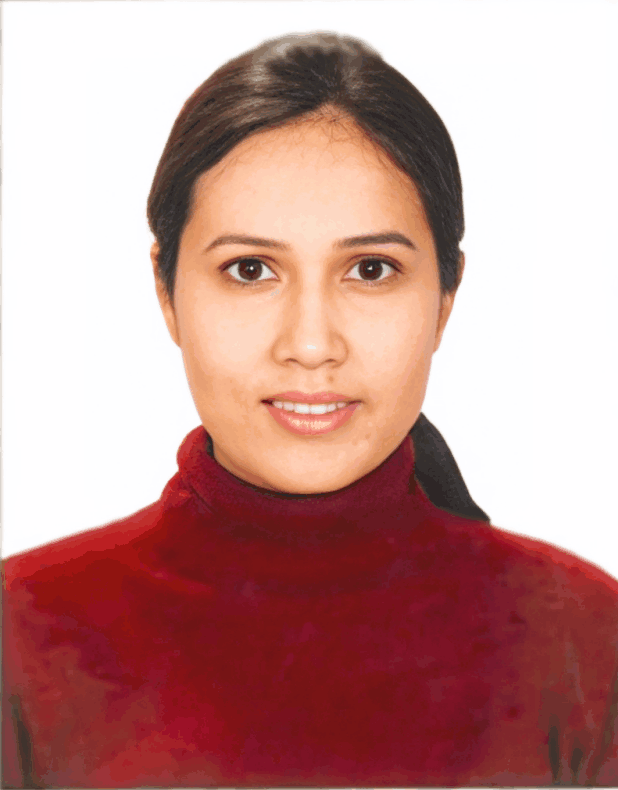
“I was about to pay for a private university after other consultants said public unis were too hard to get into.”
“I was confused between paid private universities and public ones. Think Mile showed me how to get into Mainz University for free! Their SOP guidance made my application stand out among hundreds.”
Vasudha Misra·Johannes Gutenberg University Mainz·MS Economics
Tuition-Free Admission
Read Next
Applying for this programme?
Book a free call, I've placed students in exactly this field.
I review profiles, help you shortlist the right 5–6 universities for your specific CGPA and background, and personally guide your SOP to avoid the mistakes I've seen reject hundreds of applications. No sales pitch, one honest conversation about your chances.