Master's Programme Guide
MBA in Germany for Indian Students: Public vs Private 2026
Germany has free public MSc/MBA options and €42,000–€50,000 private MBAs. Here's how to choose the right tier for your profile and career goal.
Tuition varies by university and citizenshipfree at most public universities; non-EU fees apply in some states
On this page
Tuition
€0 for public FH/state MSc programmes; accredited private MBAs vary significantly: ESMT Berlin ~€50,000, Mannheim Business School ~€47,000, HHL Leipzig ~€42,500, Frankfurt School ~€42,400 (all fees change annually, always verify on the school website before applying)
Duration
1.5–2 years for public MSc; 1–1.5 years for private full-time MBA
Language
IELTS 6.5–7.0+ depending on programme tier; private accredited MBAs require IELTS 7.0+
CGPA Range
Bachelor in any discipline for public MSc; 2–3 years minimum work experience required for private accredited MBAs (HHL: 2 years; ESMT, Mannheim, Frankfurt School: 3 years), though the typical admitted class average runs well above the minimum
IELTS
6.5 for public MSc programmes; 7.0+ for ESMT, Mannheim Business School, HHL
Top 8 Universities for MBA / Business Administration in Germany
Click any column header to sort. Public state universities charge no tuition in most states. Private business schools range from ~€28,000 to €50,000+ total, see the Tuition column for each school; fees change annually and should be verified on the school website. Semester contributions cover student union, transport, and admin.
| Website | |||||
|---|---|---|---|---|---|
| University of Mannheim (MSc) | Mannheim | ~€1,500/sem for non-EU + ~€170 contribution | English | May 31 (Winter Semester) | Visit |
| Hochschule München (International Business) | Munich | €0 + ~€200 semester contribution | English/German | May 31 (Winter Semester) | Visit |
| Hochschule Koblenz (International Management) | Koblenz | €0 + ~€300 semester contribution | English | May 31 (Winter Semester) | Visit |
| TU Berlin (Innovation Management) | Berlin | €0 + ~€310 semester contribution | English | July 15 (Winter Semester) | Visit |
| ESMT Berlin (MBA) | Berlin | ~€50,000 total (fees increase annually, verify on school website) | English | Rolling (check website) | Visit |
| HHL Leipzig (MBA) | Leipzig | ~€42,500 total (fees increase annually, verify on school website) | English | Rolling (check website) | Visit |
| Frankfurt School of Finance (MBA) | Frankfurt | ~€42,400 total (fees increase annually, verify on school website) | English | Rolling (check website) | Visit |
| Mannheim Business School (MBA) | Mannheim | ~€47,000 total (fees increase annually, verify on school website) | English | Rolling (check website) | Visit |
← Scroll horizontally to see all columns
Deadlines and semester contributions are approximate and subject to change, always verify on the official university website before applying.
Typical Eligibility for Indian Students
- 1Bachelor in any discipline for public FH/state university MSc programmes; private accredited full-time MBAs require a minimum of 2 years (HHL) or 3 years (ESMT, Mannheim Business School, Frankfurt School) of post-graduation work experience in a professional or managerial role — though the typical admitted class average runs well above these minimums
- 2IELTS 7.0+ for private accredited MBAs; IELTS 6.5 for public university MSc programmes; some FH programmes accept TOEFL 90+ as an alternative
- 3GMAT or GRE is required for ESMT, Mannheim Business School, HHL, and Frankfurt School, not required for public FH or state university MSc programmes; this is the biggest single cost driver to check before applying. Mannheim Business School publishes a minimum of 600 (GMAT 10th edition) or 565 (Focus edition); ESMT and HHL require a strong result without publishing a minimum; Frankfurt School and HHL both accept an in-house alternative test instead of the GMAT.
- 4Indian BCom, BBA, and BBM degrees are accepted as equivalent to a German Bachelor's in Business at most programmes; pure engineering or science backgrounds may need to demonstrate business exposure through internships, managerial roles, or elective courses
- 5APS Certificate is mandatory for all Indian applicants regardless of whether the programme is public or private, submit your APS application at least 3–4 months before your first application deadline; APS India uses online registration and courier submission; processing takes 8–12 weeks
Career & Salary After Graduation
Average Starting Salary
€50,000–€80,000 / year (entry-level, Germany); higher for accredited MBA graduates with consulting placements
Top Recruiters
McKinsey GermanyBCG GermanyBain GermanyDeloitte GermanyKPMGDeutsche BankAllianzSiemens (strategy)SAP (consulting)Volkswagen Group (strategy)
Job Seeker Visa
18-month job seeker visa (§20 AufenthG), usable by graduates of either tier while searching for a role that leads to a long-term work permit or EU Blue Card; FH MSc graduates more typically enter roles in supply chain, operations, and international trade, while accredited-MBA graduates more often land consulting or corporate-strategy placements
Why MBA / Business Administration?
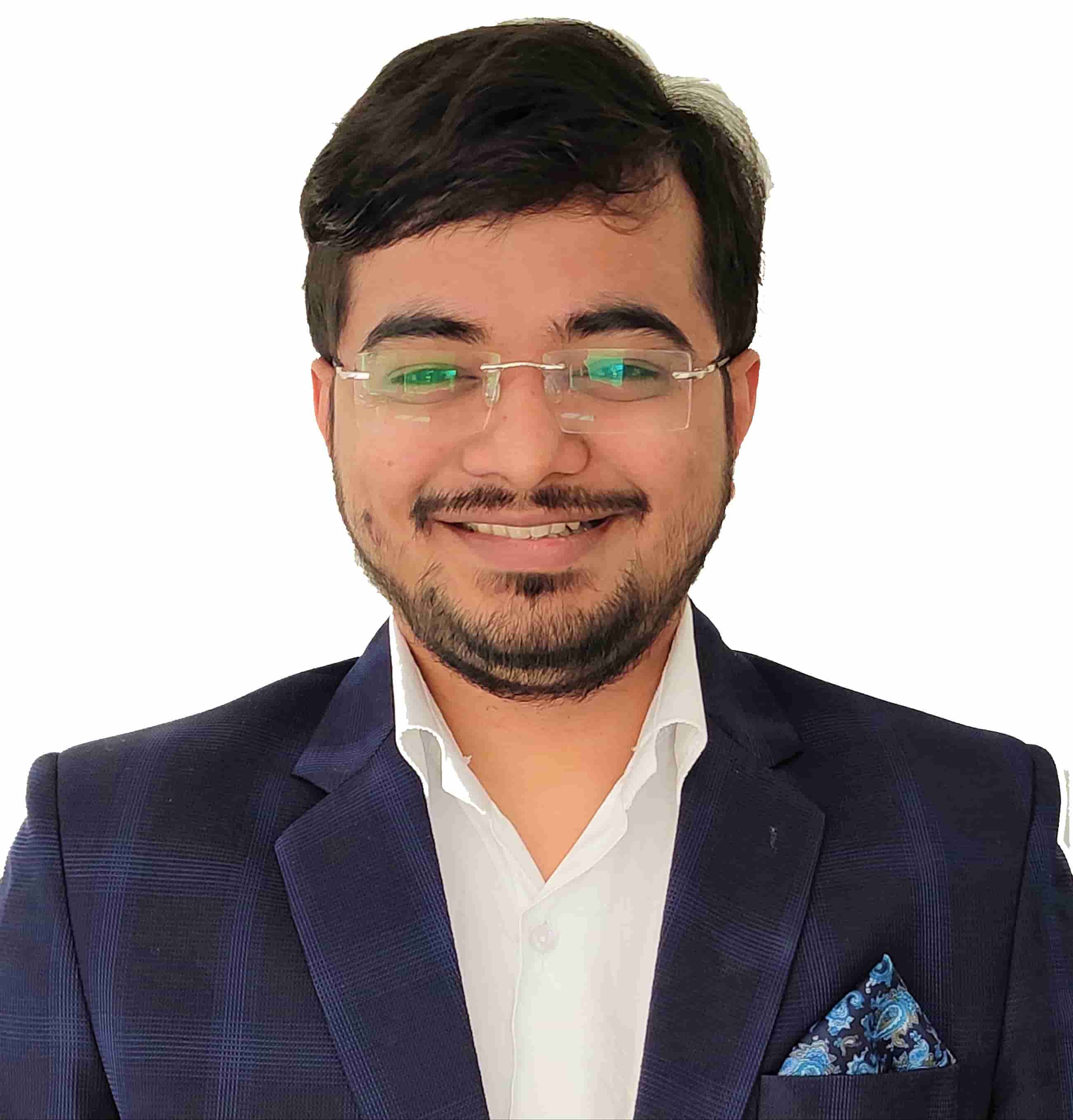
Ankit Jaiswal
Founder, Think Mile · guided 500+ Indian students
The first thing I tell every Indian student who asks about MBA in Germany is that there are two completely separate markets, and most consultants lump them together in a way that sets you up to fail. A Hochschule MSc in International Management is a full-time academic programme, largely tuition-free, that accepts fresh graduates and mid-career professionals alike, and feeds into supply chain, operations, and mid-market German company roles. An ESMT or Mannheim Business School MBA is a 12–15 month intensive programme designed for professionals with a published minimum of 2–3 years of experience (though the typical admitted class average runs well higher), costs €42,000–€50,000 depending on the school, and places into consulting and corporate strategy roles at multinationals. ESMT, Frankfurt School, and Mannheim Business School hold triple accreditation (AACSB, EQUIS, AMBA); HHL holds AACSB accreditation and German state recognition, both are internationally recognised, and the accreditation status matters for Indian employer recognition of your degree. These are not interchangeable products at different price points. Applying to both with the same CV, the same essays, and the same career goal statement tells both admissions committees that you do not understand what you are applying to, and you will likely get rejected from both.
I see three distinct Indian applicant profiles come through, and each maps to a different tier. Engineering professionals with 5–7 years of experience and P&L or team-lead responsibility should be looking at accredited MBAs: ESMT, Frankfurt School, HHL. BCom and BBA graduates with 0–3 years of experience should target public university MSc programmes at TU Berlin, Hochschule München, or Hochschule Koblenz, not because these are consolation prizes, but because they are the right fit for the profile and the career transition. The third profile is the one that struggles most: engineers with 2–3 years of experience who want to pivot to business, apply to accredited MBAs they are under-experienced for, get rejected, then apply to FH programmes with essays written for a different audience. If you are in that third group, the strategic move is to spend 18–24 more months building visible business exposure in your current role, then apply to ESMT with a genuinely compelling career pivot narrative.
Business school applications in Germany are evaluated differently from engineering school applications, and Indian applicants trained on the SOP-for-STEM format often write the wrong document. An engineering SOP is about intellectual curiosity and research fit. A business school essay is about leadership evidence, commercial impact, and a clearly argued career rationale. Admissions committees at ESMT and Mannheim Business School are asking three questions: What have you led? What did it produce? Why does an MBA in Germany specifically get you to the next stage? The career pivot essay: which almost every Indian applicant has to write because they are changing country, sometimes industry, sometimes function, needs to be built around a specific role or sector in Germany, not a vague statement about international business exposure. The students I work with who get into accredited programmes are the ones who can name the exact consulting practice or corporate division they are targeting and explain why their professional history makes that a credible next step.
Common Mistakes Indian Applicants Make
Assuming all German 'MBA' programmes are equivalent: a Fachhochschule MSc/MBA and an ESMT or Mannheim Business School MBA have completely different career outcomes, requirements, and costs; applying to both with the same CV and SOP fails at both
Skipping the GMAT for private accredited programmes, many Indian applicants don't realise that ESMT and Mannheim Business School require GMAT/GRE; discovering this 4 weeks before deadline means a last-minute withdrawal; and assuming English fluency alone is sufficient for consulting roles, McKinsey Germany and BCG Germany prefer B2/C1 German for client-facing positions.
Applying with insufficient work experience to accredited MBAs: ESMT, Mannheim, and Frankfurt School publish a 3-year minimum and HHL a 2-year minimum, but the typical admitted class average runs well above the floor, so meeting the stated minimum with no leadership evidence still commonly results in rejection
A Student Who Did It
H
“Think Mile’s mentorship was invaluable. They not only helped with admissions but also guided me on finding part-time jobs in Germany. Within 2 months of arrival, I landed a part time job!”
Heena Salva·Fulda University of Applied Sciences·MS Supply Chain Management
Part-time Job in 2 Months
Read Next
Applying for this programme?
Book a free call, I've placed students in exactly this field.
I review profiles, help you shortlist the right 5–6 universities for your specific CGPA and background, and personally guide your SOP to avoid the mistakes I've seen reject hundreds of applications. No sales pitch, one honest conversation about your chances.