Master's Programme Guide
MSc Environmental & Energy Engineering in Germany for Indians
Germany is spending €200bn on its energy transition. The engineers doing that work study at these universities, for free.
Tuition varies by university and citizenshipfree at most public universities; non-EU fees apply in some states
On this page
Tuition
€0 in most German states; TUM charges €4,000–€6,000/semester for non-EU students (varies by programme, verify on tum.de); University of Stuttgart charges €1,500/semester
Duration
2 years (4 semesters)
Language
IELTS 6.5+ for English-medium programmes; B2/C1 German required for TUM and Stuttgart German-medium tracks
CGPA Range
6.5–7.5 / 10 (more accessible CGPA floor than pure CS or EE)
IELTS
6.5 overall; University of Oldenburg and Flensburg are fully English-taught
Top 7 Public Universities for MSc Environmental & Energy Engineering in Germany
Click any column header to sort. All listed universities are public. Tuition is free in most German states. Baden-Württemberg charges €1,500/semester for non-EU master's students. Bavaria has no single uniform rate: TUM charges €4,000–€6,000/semester for non-EU master's degrees; other Bavarian universities vary. Semester contributions cover student union, public transport ticket, and admin fees.
| Website | |||||
|---|---|---|---|---|---|
| RWTH Aachen | Aachen | €0 + ~€300 semester contribution | German (B2/C1 required; limited English modules) | May 15 (Winter Semester) | Visit |
| TUHH – Hamburg University of Technology | Hamburg | €0 + ~€330 semester contribution | English | May 31 (Winter Semester) | Visit |
| University of Oldenburg | Oldenburg | €0 + ~€350 semester contribution | English | May 31 (Winter Semester) | Visit |
| Flensburg University of Applied Sciences | Flensburg | €0 + ~€200 semester contribution | English | May 31 (Winter Semester) | Visit |
| TU Munich (TUM) | Munich | €4,000–€6,000/sem for non-EU (varies by programme) + ~€144 semester fee | German/English | May 31 (Winter Semester) | Visit |
| TU Berlin | Berlin | €0 + ~€310 semester contribution | English | July 15 (Winter Semester) | Visit |
| University of Stuttgart | Stuttgart | €1,500/sem for non-EU + ~€190 semester contribution | German/English | July 15 (Winter Semester) | Visit |
← Scroll horizontally to see all columns
Deadlines and semester contributions are approximate and subject to change, always verify on the official university website before applying.
Typical Eligibility for Indian Students
- 1Bachelor in Civil Engineering, Environmental Engineering, Chemical Engineering, Mechanical Engineering, Physics, or closely related field, 65%+ aggregate or 6.5–7.5/10 CGPA; this field is more accessible than pure CS or EE in terms of CGPA floor
- 2IELTS 6.5+ for English-medium programmes; University of Oldenburg and Flensburg are fully English-taught; TUM and Stuttgart German-medium tracks require B2/C1 German
- 3The Deutschlandstipendium (€300/month, no national quota) is available at all major German universities, apply directly to the university in the first semester after enrolment. Budget separately for the blocked account (Sperrkonto): €11,904/year (€992/month) required for the German student visa.
- 4Demonstrated sustainability interest: thesis topics, project work, NGO involvement, or relevant internships, carries genuine weight in SOPs for environmental programmes in ways it does not for pure engineering fields; include it specifically
- 5APS Certificate is mandatory for all Indian applicants; submit your APS application at least 3-4 months before your university application deadline; processing takes 8-12 weeks
Career & Salary After Graduation
Average Starting Salary
€42,000–€62,000 / year (entry-level, Germany)
Top Recruiters
Siemens EnergyRWEE.ONØrsted GermanyVestas GermanySMA Solar TechnologyBayWa r.e.Fichtner EngineeringENGIE GermanyDeutsche Bahn (sustainability)RemondisVeolia Germany
Job Seeker Visa
18-month job seeker visa (§20 AufenthG), Germany’s Energiewende creates ongoing demand for renewable energy engineers through 2040; wind and solar project management roles are particularly under-supplied
Why MSc Environmental & Energy Engineering?
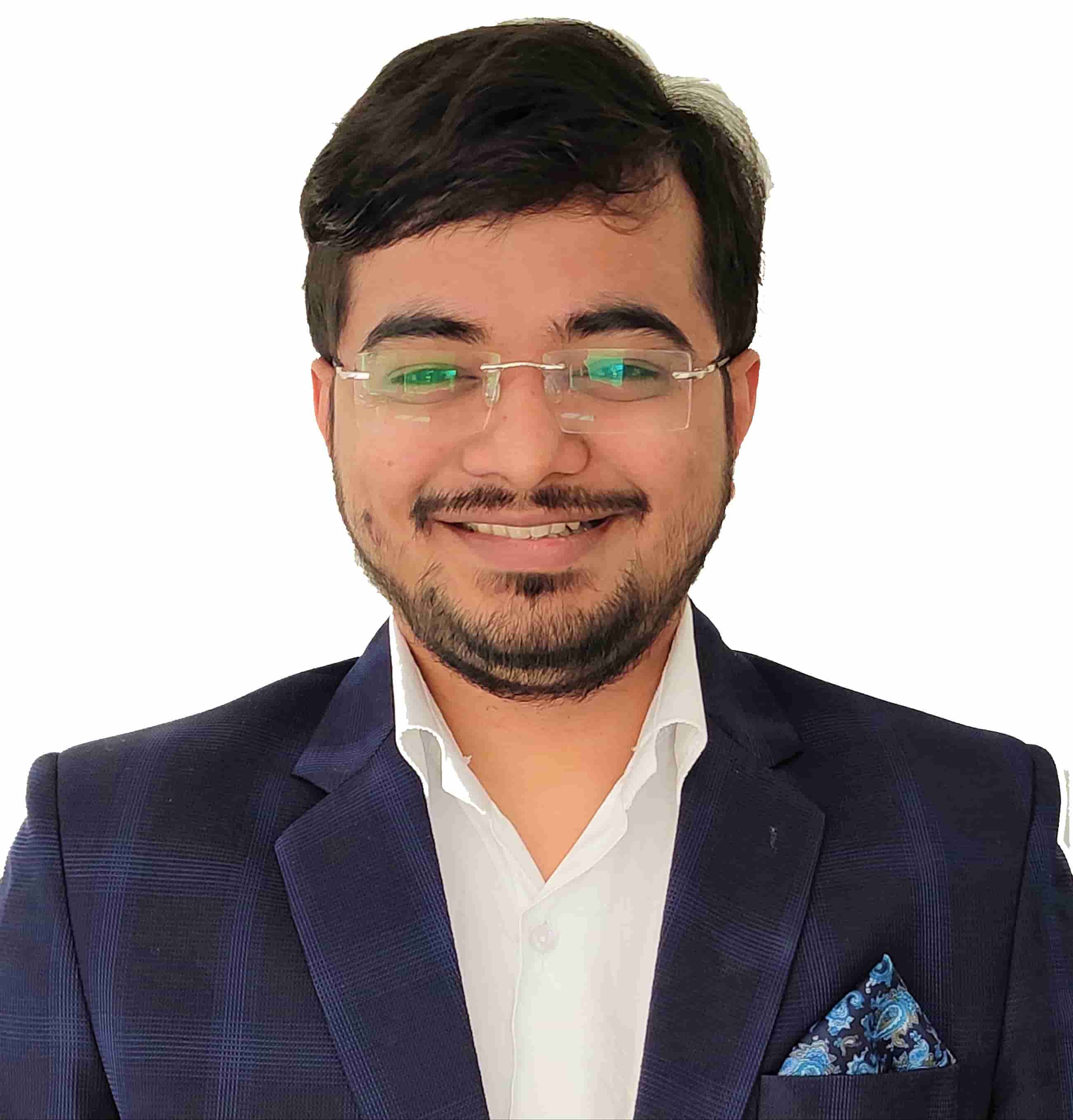
Ankit Jaiswal
Founder, Think Mile · guided 500+ Indian students
Germany’s Energiewende is not an ambition. It is a €200bn capital programme already in motion. Offshore wind capacity is being doubled off the North Sea coast, the hydrogen network is being built out from Hamburg and Bremen, and the national grid is being redesigned around variable renewable supply. The universities that sit inside this transition: University of Oldenburg for wind energy research, TUHH Hamburg for port and energy infrastructure, Flensburg for renewable systems, have direct research pipelines into the companies executing it. When I look at where Indian students in this field find jobs fastest, it is consistently at universities with that industry proximity, not the ones highest in the QS rankings.
There is a DAAD funding angle here that almost every Indian applicant misses. Environmental engineering has the highest proportion of DAAD-funded programmes of any engineering field, DAAD’s Development-Related Postgraduate Courses (DRC), not the general DAAD scholarship: is the specific funding stream for this field; the application window is November–December of the year before your target intake, running in parallel with your programme application, not after it. The key thing to understand is that DAAD scholarship applications run on a parallel timeline to the programme application. You apply to both at the same time, not sequentially. Students who apply for the programme and only then look at scholarships miss the DAAD cycle entirely for that intake.
The weakest SOPs I see in this field all open with the same line: ‘I want to contribute to a sustainable future.’ It signals nothing to the admissions reader. German environmental engineering professors are looking for something specific: a technical problem you encountered, a measurement that surprised you, a named research project from your bachelor’s that raised a question you have not yet answered. The specificity of your motivation is treated as a proxy for the quality of your thesis work, because it is. One paragraph about a particular aspect of renewable grid integration or wastewater treatment that you studied in depth is worth more than three pages of generic climate concern.
Common Mistakes Indian Applicants Make
Applying only to TU Munich and RWTH without recognising that University of Oldenburg and Flensburg offer fully English-taught, tuition-free programmes with strong renewable energy research, many Indian applicants miss both because they aren’t in the top-10 rankings
Ignoring DAAD scholarship funding, environmental engineering has the highest proportion of DAAD-funded programmes of any engineering field; not applying for funding in parallel with the programme application wastes a significant opportunity
Writing a generic climate-motivation SOP: statements like ‘I want to contribute to a sustainable future’ are the single most common rejection signal; German environmental engineering professors respond to specific technical problems, measured impacts, or named research projects
A Student Who Did It
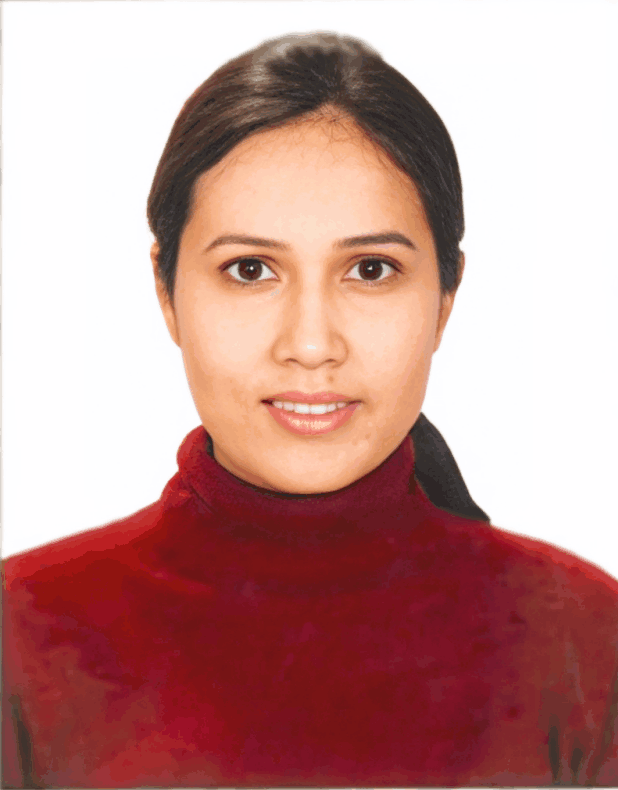
“I was about to pay for a private university after other consultants said public unis were too hard to get into.”
“I was confused between paid private universities and public ones. Think Mile showed me how to get into Mainz University for free! Their SOP guidance made my application stand out among hundreds.”
Vasudha Misra·Johannes Gutenberg University Mainz·MS Economics
Tuition-Free Admission
Read Next
Applying for this programme?
Book a free call, I've placed students in exactly this field.
I review profiles, help you shortlist the right 5–6 universities for your specific CGPA and background, and personally guide your SOP to avoid the mistakes I've seen reject hundreds of applications. No sales pitch, one honest conversation about your chances.