Master's Programme Guide
MSc Computer Science & IT in Germany for Indian Students
Whether you're a research-track candidate or an IT professional looking to upskill, Germany has free public MSc programmes for both profiles.
Tuition varies by university and citizenshipfree at most public universities; non-EU fees apply in some states
On this page
Tuition
€0 in most German states; Baden-Württemberg (HFU, Hochschule Mannheim) charges €1,500/sem for non-EU students
Duration
2 years (4 semesters)
Language
IELTS 6.5+ for English-medium programmes; B2 German for German-medium tracks
CGPA Range
6.5–8.0 / 10 (Fachhochschule accessible at 6.5+; research universities expect 7.5+)
IELTS
6.5 overall; some FH programmes accept 6.0 with work experience
Top 8 Public Universities for MSc Computer Science & IT in Germany
Click any column header to sort. All listed universities are public. Tuition is free in most German states. Baden-Württemberg charges €1,500/semester for non-EU master's students. Bavaria has no single uniform rate: TUM charges €4,000–€6,000/semester for non-EU master's degrees; other Bavarian universities vary. Semester contributions cover student union, public transport ticket, and admin fees.
| Website | |||||
|---|---|---|---|---|---|
| TU Dresden | Dresden | €0 + ~€265 semester contribution | English | May 15 (Winter Semester) | Visit |
| RWTH Aachen | Aachen | €0 + ~€300 semester contribution | English/German | May 15 (Winter Semester) | Visit |
| Saarland University | Saarbrücken | €0 + ~€300 semester contribution | English | May 31 (Winter Semester) | Visit |
| TU Darmstadt | Darmstadt | €0 + ~€295 semester contribution | English & German | May 31 (Winter Semester) | Visit |
| University of Lübeck | Lübeck | €0 + ~€315 semester contribution | English | May 31 (Winter Semester) | Visit |
| Hochschule Furtwangen (HFU) | Furtwangen | €1,500/sem for non-EU (BW) + ~€75 semester contribution | English | June 15 (Winter Semester) | Visit |
| TU Berlin | Berlin | €0 + ~€310 semester contribution | English | July 15 (Winter Semester) | Visit |
| Hochschule Mannheim | Mannheim | €1,500/sem for non-EU + ~€170 semester contribution | English/German | July 15 (Winter Semester) | Visit |
← Scroll horizontally to see all columns
Deadlines and semester contributions are approximate and subject to change, always verify on the official university website before applying.
Typical Eligibility for Indian Students
- 1Bachelor in CS, IT, Software Engineering, Information Systems, or Electronics, 60%+ aggregate; competitive research programmes (RWTH, Saarland) expect 7.5+/10 CGPA; Fachhochschule programmes accessible at 6.5+. Note: Fachhochschule in Baden-Württemberg (HFU, Hochschule Mannheim) charge €1,500/semester for non-EU students.
- 2IELTS 6.5+ for English-medium programmes; some Fachhochschule programmes accept IELTS 6.0 with relevant work experience; TOEFL 90+ accepted as an alternative
- 3The Deutschlandstipendium (€300/month, no national quota) is available at all major German universities, apply directly to the university in the first semester after enrolment. Budget separately for the blocked account (Sperrkonto): €11,904/year (€992/month) required for the German student visa.
- 4Professional IT experience (1–3 years) is a genuine differentiator for Fachhochschule programmes and for SOPs at any university, frame work experience as a research motivation, not a CV summary
- 5APS Certificate is mandatory for all Indian applicants, submit your APS application at least 3–4 months before your university application deadline; APS India uses online registration and courier submission, not bookable appointment slots; processing takes 8–12 weeks
Career & Salary After Graduation
Average Starting Salary
€48,000–€68,000 / year (entry-level, Germany)
Top Recruiters
SAPDeutsche TelekomSiemensBoschBMWAccenture GermanyCapgemini GermanyT-SystemsKPMG GermanySchwarz Group (Lidl/Kaufland)
Job Seeker Visa
18-month job seeker visa (§20 AufenthG), Germany absorbs 10,000+ software professionals annually; IT backgrounds with German market experience convert quickly. CS/DS/EE graduates may qualify for the EU Blue Card if they secure a qualifying job offer meeting the salary threshold and their degree is formally recognised (shortage-occupation threshold ~€45,934/year in 2026; standard threshold ~€50,700/year), a degree alone does not qualify; Blue Card can lead to permanent residence in 21 months with B1 German, subject to all conditions being met.
Why MSc Computer Science & IT?
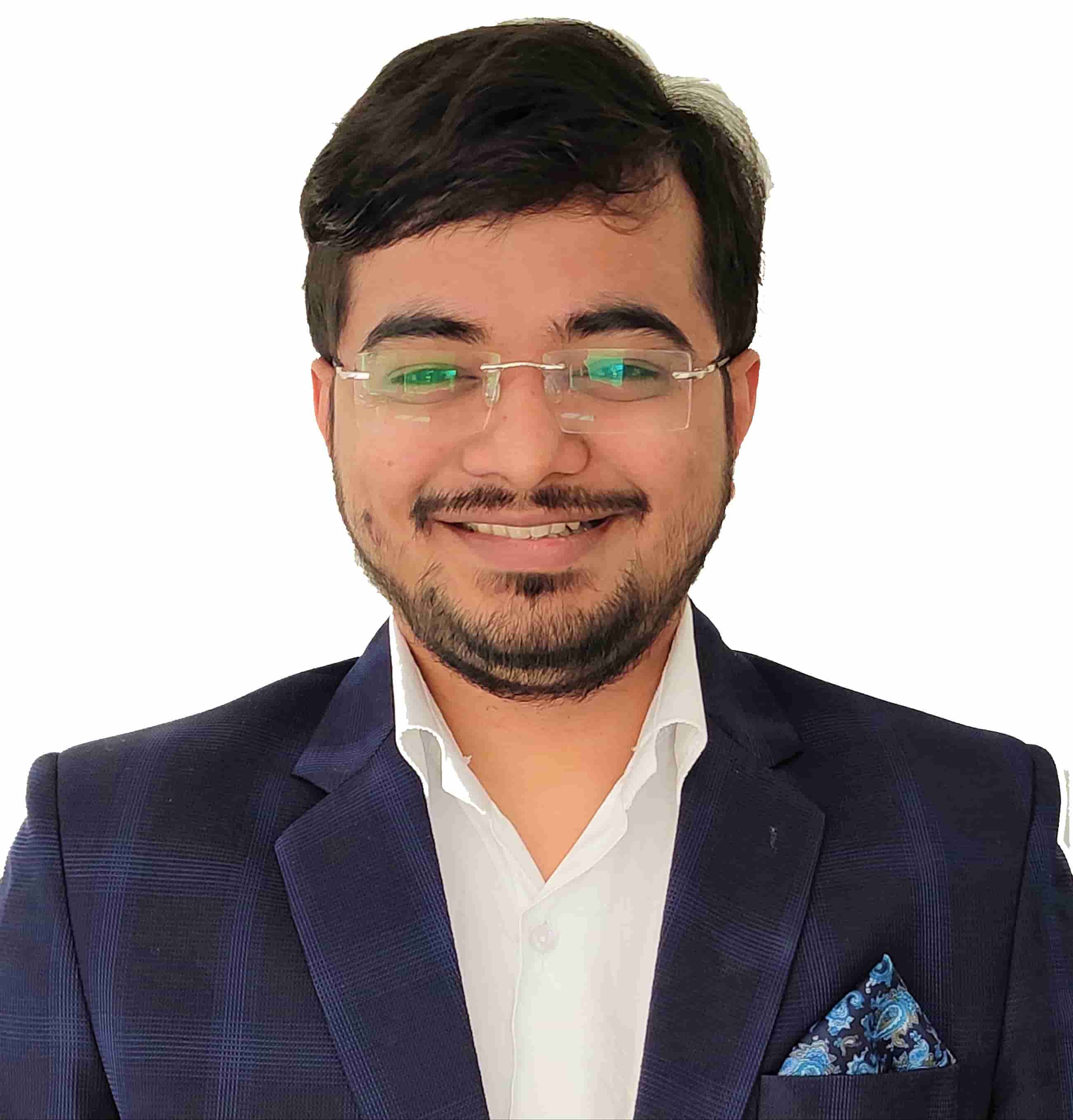
Ankit Jaiswal
Founder, Think Mile · guided 500+ Indian students
The IT-professional-to-Germany pipeline is more direct than most people in India realise, and Fachhochschule programmes are the clearest route into it. A software developer or IT consultant with two years at TCS or Infosys is not a weak candidate for Germany. They are exactly the profile that programmes at HAW Hamburg and Hochschule Mannheim are designed to absorb. HAW Hamburg places graduates directly at Deutsche Telekom, Accenture Germany, and T-Systems because its curriculum is built around applied IT architecture and enterprise software, not theoretical computer science. For a candidate who spent two years configuring SAP modules or building internal tooling for a German-origin client in Chennai, that is a genuine credential. It just needs to be articulated correctly in the application.
The Fachhochschule versus research university distinction matters more in CS and IT than in any other field. Research universities: RWTH, TU Berlin, Saarland, train researchers. Their graduates go into PhD programmes or into deep-tech roles at companies running internal research labs. Fachhochschule programmes train practitioners who ship working software into production environments. The graduate outcomes look different: research university graduates get offers from Zalando's ML platform team and BMW's autonomous driving group; FH graduates get offers from SAP consulting arms, T-Systems, and mid-market German IT firms that are desperate for people who understand both the technical and business layer. Neither is better. They are different products for different goals, and applying to the wrong tier wastes a cycle.
The SOP mistake I see most often from IT professionals applying to German CS programmes is writing what amounts to a cover letter: a summary of projects delivered, clients served, and technologies used. German CS departments do not want a work history. They want to know what problem you encountered in your IT work that your current education could not solve, and why a German CS research environment is the place to resolve it. One well-constructed paragraph that names a specific technical gap: a scalability constraint, a data modelling problem, a security architecture question, and connects it to a named research group or lab at the target university is worth more than five pages of project descriptions.
Common Mistakes Indian Applicants Make
Ignoring Fachhochschule options, most IT professionals with 2–3 years experience are stronger candidates at FH programmes than at research universities, but they only apply to RWTH and TUM
Writing a 'work experience' SOP, German universities want a research or development question, not a summary of projects delivered at TCS
Missing the German programme distinction, applying to a general 'CS' programme at a university that has a separate dedicated 'Software Engineering' or 'IT Management' track that fits better
A Student Who Did It
M
“Every other consultant I spoke to pushed me towards private universities — no one told me public unis were free.”
“I saved over ₹15 lakhs by choosing a public university over the private ones other consultancies recommended. Think Mile’s honest guidance helped me make the right financial decision for my future.”
Meera Martin·Otto von Guericke University Magdeburg·MS Data Science
Saved ₹15L+ vs Private Universities
Read Next
Applying for this programme?
Book a free call, I've placed students in exactly this field.
I review profiles, help you shortlist the right 5–6 universities for your specific CGPA and background, and personally guide your SOP to avoid the mistakes I've seen reject hundreds of applications. No sales pitch, one honest conversation about your chances.